
Why Stepping Back Helps Animals Breathe Again
On Nervous System Regulation, Human Stress, and Why Our Animals Feel It First

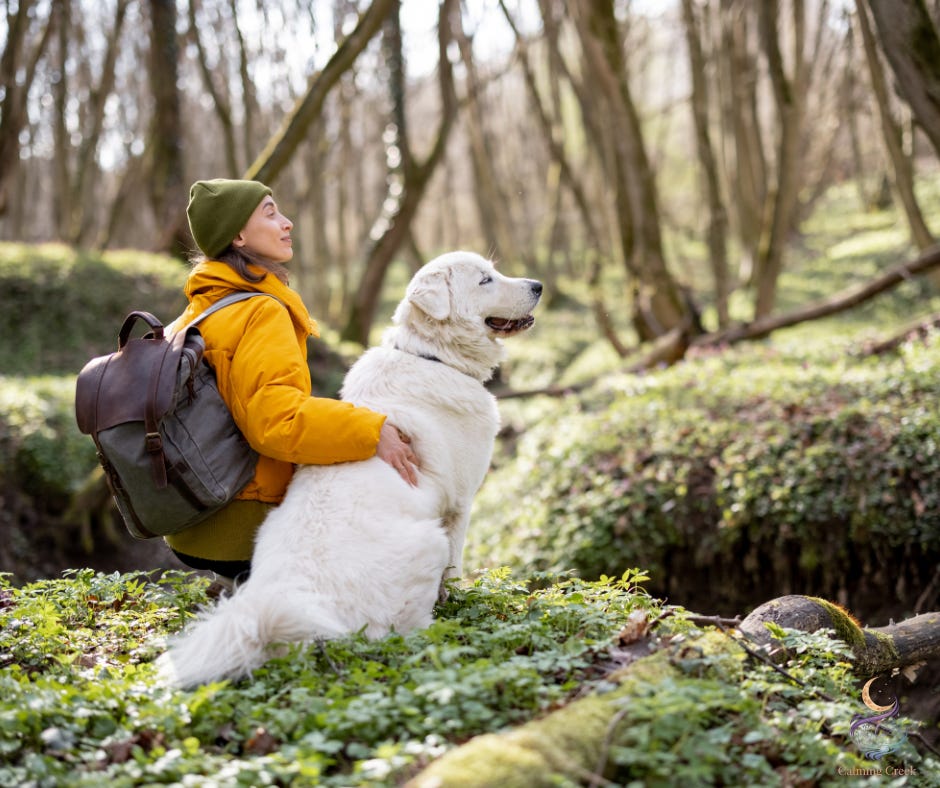
I’m coming back to writing after a short break. It is winter, after all. The season when bodies naturally slow down, when we crave more rest, more quiet, more space to just be.
I didn’t step away because there was nothing to say. I stepped away because my body needed it. Taking time off gave my nervous system a chance to reset and recalibrate, to settle after months of constant movement and output.
When I slow down like this, my animal companions seem to respond first and it’s in noticing their shift that I realize how much calmer I’ve become. I often talk about how anxiety can cycle between humans and animals, how we unknowingly feed off each other’s tension. This feels like the inverse of that. A quiet feedback loop where my calm gives them permission to soften, and their softness settles me even further. There’s more room to breathe here.
Stepping back gave me space to move at a slower pace. To feel myself back in my body instead of hovering a few steps ahead, scanning the next thing that needed doing.
And I know I’m not alone in that feeling.
So many of us move through our days with a low‑level urgency humming underneath everything. Even in winter. Even when nothing is actually on fire. We tell ourselves we’ll rest later, slow down later, breathe later, after the next thing is done.
When I notice myself slipping back into the doing mindset, these are the questions that help interrupt it:
What happens if I don’t do the thing right away?
What actually breaks?
Who gets hurt?
Most of the time, the answer is… no one.
We’ve learned otherwise. Productivity is deeply ingrained in us, rewarded and reinforced until rest feels suspicious. Slowing down can feel like failure. Pausing can sound like laziness. Even when our bodies are asking for something different, our minds keep pushing.
That constant internal noise takes a toll on the nervous system. And our animals pick up on that.
Animals are exquisitely attuned to the state of the humans they live with. When we’re rushed, scattered, or chronically tense, they don’t experience it as “you’re busy.” They experience it as instability in the shared environment.
What I mean by that is not blame, but nervous system reality. Chronic human stress doesn’t register as background noise to an animal, it registers as a signal that something may not be safe. Their bodies stay alert in the same way ours do under prolonged pressure, even if we’ve learned to normalize that feeling or push through it.
Seen through that lens, it’s easier to understand why so many dogs and cats today are prescribed anti‑anxiety or antidepressant medications. Often, they’re not broken or disordered, they’re responding to a world that feels chronically overwhelming, and to the stress they quietly carry alongside us.
When I stepped back, I stopped trying to manage everything. I realized I’d been louder on the inside than I thought. As things softened for me, they softened for my animals too.
Nothing dramatic happened. No big breakthrough moment. Just more time together. More quiet. More cuddles. More time outside without an agenda. None of it was about doing anything differently or trying to create a result. It was simply about being… being together, being present, being available. This is the place that doesn’t ask for anything, and somehow ends up giving everything.

It felt grounding. Healthy. Like we were all breathing at the same pace again. Our cats and dogs breathe easier when we take care of ourselves.
A regulated nervous system doesn’t look like a perfectly organized life or an endless to-do list we’re chasing and adding to, convinced we’ll finally feel better once it’s finished. It looks like awareness. It looks like choice. It looks like knowing when to keep going and when to stop.
Our animals don’t need us to be calm all the time. They do need us to be grounded enough to notice when we’re not.
Sometimes the most supportive thing we can do for them is less. Less fixing. Less managing. Less constant motion. More listening. More stillness. More permission to let the day unfold without controlling it.
Winter offers that invitation naturally. Animals don’t rush this season. They conserve. They rest. They wait. When we ignore that rhythm, we often miss the quieter ways they communicate.
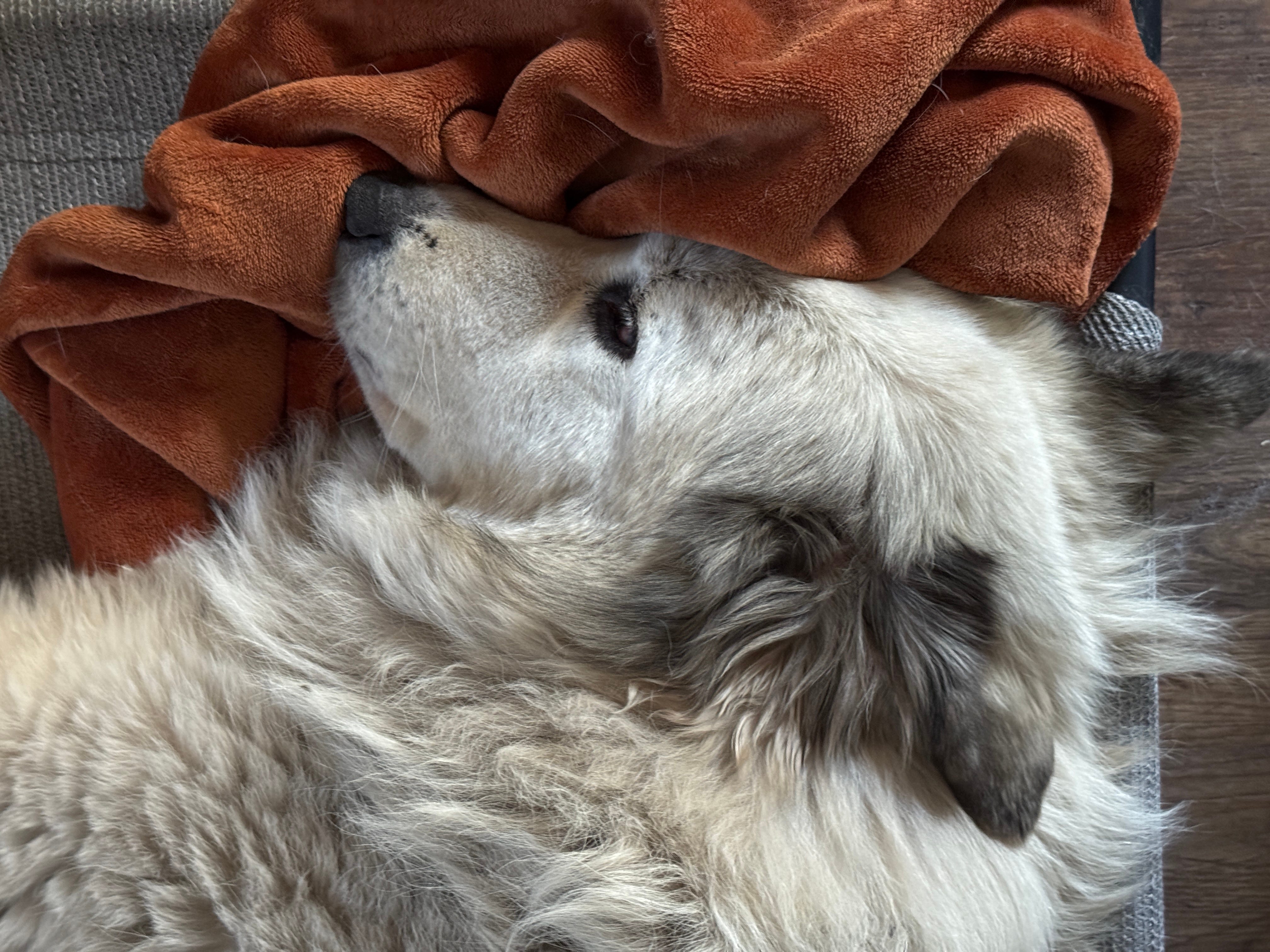
As I ease back into writing, I’m carrying this reminder with me:
Slowing down isn’t laziness. It isn’t falling behind. It isn’t a moral failure or a lack of discipline.
For so many of us, stillness was never modeled as safe. If you had time to lean, you had time to clean. Rest had to be earned. Productivity was the measure of worth.
And if slowing down actually makes you feel more unsettled at first, that’s not a failure. It’s your nervous system adjusting to something unfamiliar. Rest, for many of us, is a practice, not a switch we can flip.
Slowing down is a return to our nature, to the pace our bodies recognize, and the rhythms our animals never forgot.
If you’ve been feeling stretched thin, pressured, or quietly exhausted, consider this your permission. It is still winter. We are not meant to be in full bloom yet. Winter doesn’t end until spring actually arrives, toward the end of March, and this season still asks for rest, repair, and reconnection.
You haven’t missed anything. You are not late.
This doesn’t have to mean disappearing or doing nothing. It can look like finding a steadier rhythm, one that supports your nervous system instead of overriding it. A rhythm that allows balance, regulation, and flow to emerge naturally, rather than being forced.
And when you do find that steadier place, you may notice what I did…your animals meeting you there.
Sometimes stepping back is exactly what allows everyone in the room to breathe again.
Thank you so much for reading this post!
🔗 Book an animal communication session here
My name is Melissa, and I’m an animal communicator and energy healer. I live on a little farm in the woods where I’m happily outnumbered by animals: seven dogs, three cats, and a mix of other furry, feathered, and hooved friends who keep life interesting. You can learn more about my work at calmingcreek.com
I’d love to hear from you! Whether you have stories to share or questions to ask, don’t hesitate to join the conversation in the comments section below.
For more ways to connect:
Disclaimer: The information shared in this blog is for educational and informational purposes only. I am not a veterinarian, and my services are intended as a complementary practice to support your pet’s overall well-being. They are not a substitute for professional veterinary care, diagnosis, or treatment. Always consult your veterinarian regarding any medical concerns, conditions, or treatments your pet may require.
I could feel myself relaxing as I read through your reflection about slowing down. Thank you for this validation and encouragement. I know my kitty really appreciates it when I take time to rest, especially on the dark and rainy days. He loves to snuggle with me! I feel better when I do. I always have this feeling in the back of my mind "you can't rest too much though, because you're the only one running your business!" Yet, the animals show us the way -- our nervous systems need the rest and it's good.
It's lovely meeting on on here too! Always such a joy to meet fellow animal communicators! 🩷