
The Hidden Cost of Hypervigilance with Our Animals
Why Presence Matters More Than Fixing for Dogs, Cats, and Sensitive Pets

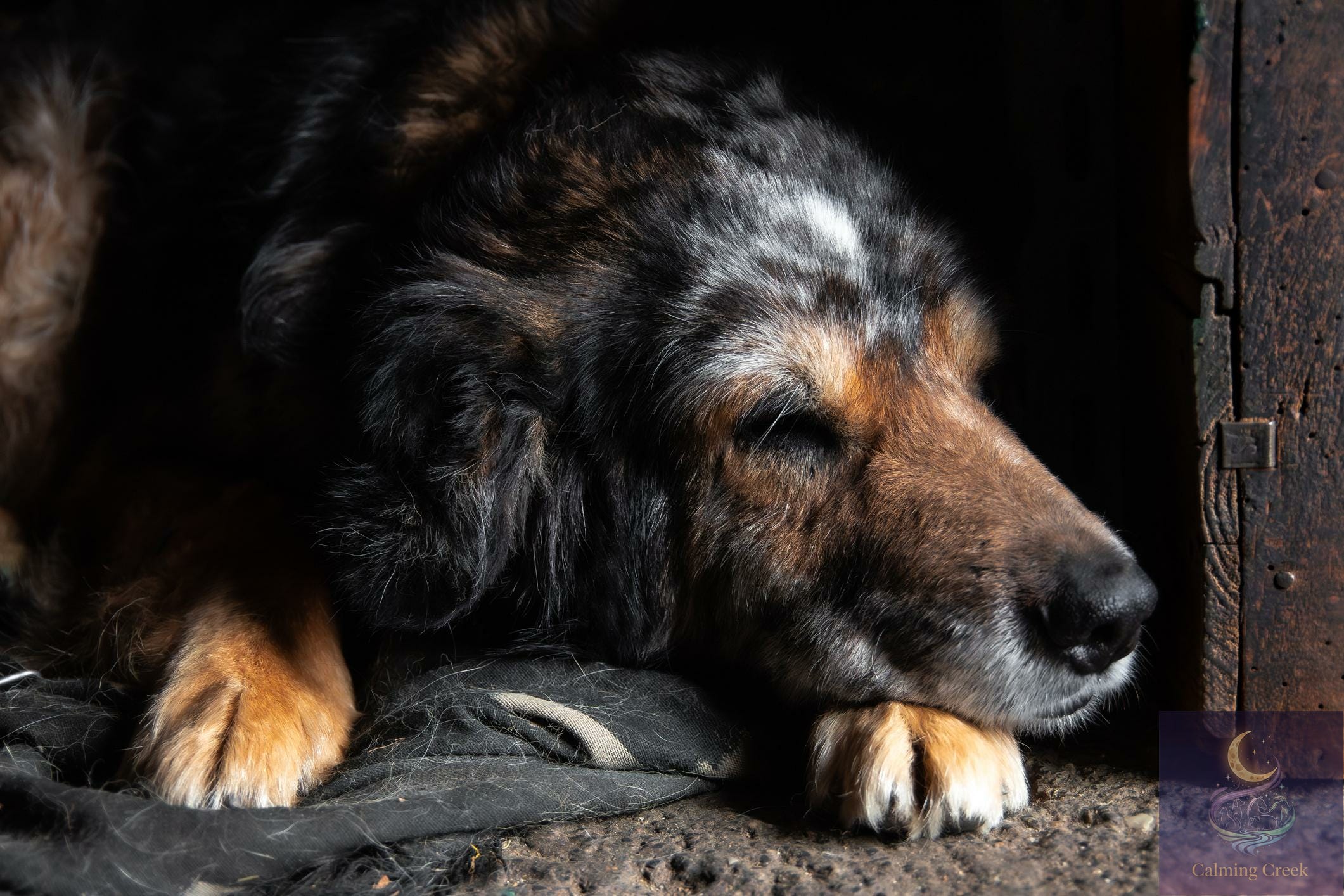
I just want to make sure I’m not missing something.
It’s something I hear often from people who love their animals deeply. People who are already tuned in, already aware, already attentive to subtle shifts.
It doesn’t usually start as panic. It begins as attunement, a deep familiarity with an animal’s baseline. A connection that lets you feel when something has shifted, even before you can name it. Over time, that attunement can tip into vigilance, which is a heightened watchfulness rooted in care, responsibility, and safety.
When vigilance slides into constant scanning, repeated checking, and an inability to settle, it becomes something else entirely. Not awareness, but hypervigilance. Attention driven by fear rather than presence. This is the moment when attention turns into urgency, and urgency pulls us out of the present.
In that state, we stop seeing our animals as whole beings and start seeing them primarily through what feels wrong. Every movement becomes a symptom. Every change becomes a problem to solve. Over time, this kind of attention can narrow our perception, pulling us away from the fullness of who they are.
Most of us know how this feels from the inside. Think of a time you were sick, grieving, or struggling and how heavy it can feel when others only see your illness, your diagnosis, or your fragility. They tip toe around as if your broken. Think of how that made you feel. Now imagine carrying that weight every day. This is often what our senior animals experience, not because we don’t love them, but because worry has taken the lead.
I see this often with senior dogs and cats. As bodies change, guardians begin living slightly ahead of the moment they’re in. Watching for what’s coming instead of staying with what’s still here. It’s not wrong. It’s love trying to protect itself.
But animals live in the moment they’re inhabiting. When our awareness leaves the room, they feel that absence. Not as abandonment, but as a subtle shift in the relational field. Something tightens. Something grows watchful. It feels less safe.
Being present doesn’t mean pretending decline isn’t happening. It means staying with them while it is. Touching them as they are today. Responding to who they are now, not who we fear they might become. When we do that, the time we share feels fuller. And later, regret has less room to grow.
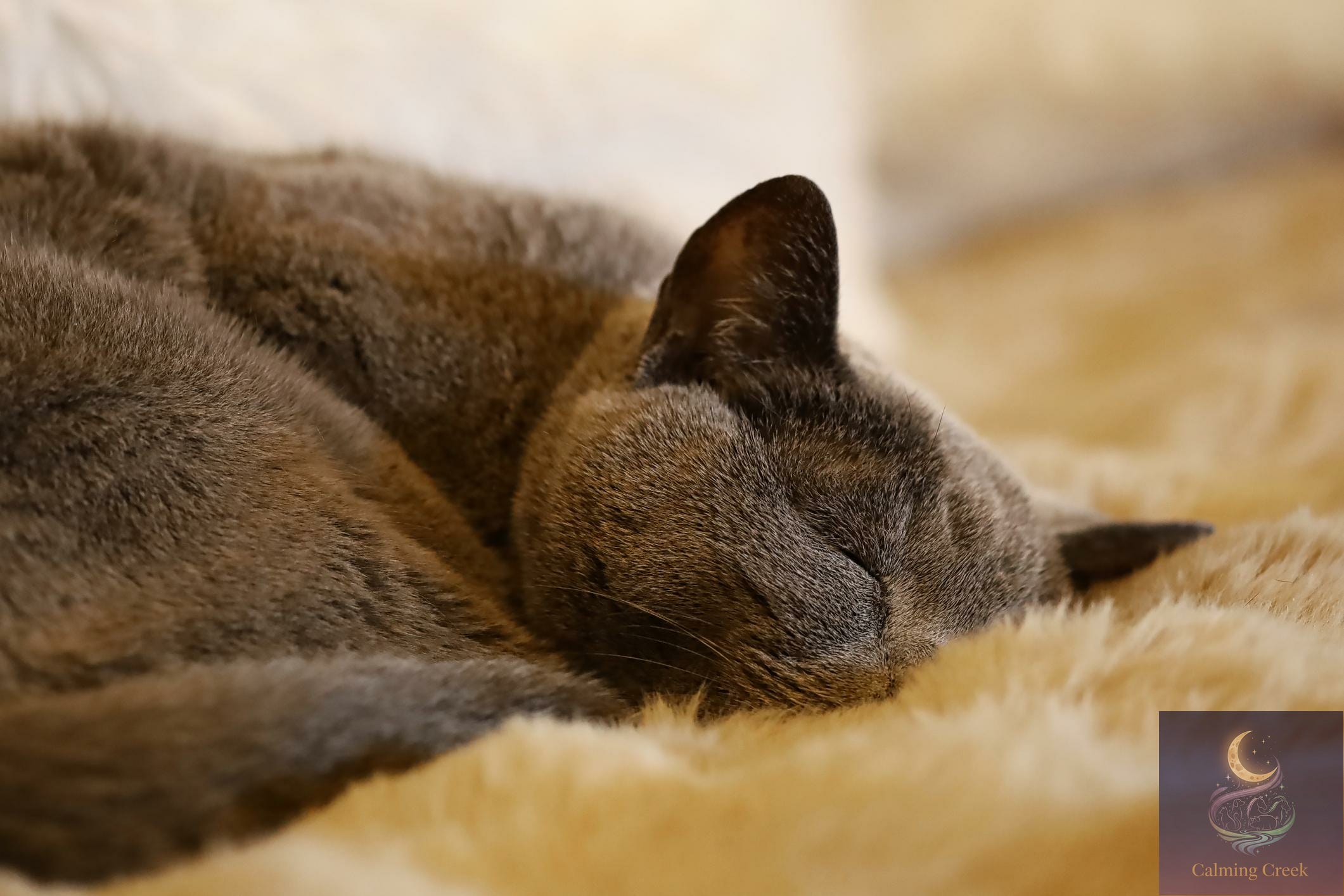
I see a similar pattern during medical crises.
I was with a group of friends recently, our dogs loose and playing nearby, when one of the dogs suddenly collapsed and began convulsing.
It happened in an instant. The room shifted. Someone screamed. Someone else froze. I could feel the surge of oh my god rise immediately, a sharp spike of fear that wants to take over everything.
And I noticed how fast panic began to fill the space. How loud it got. How chaotic it felt. And how little that energy was helping the dog whose body was already overwhelmed.
So I slowed myself down. I brought my attention back into my body. I softened my voice and my hands. Not because I wasn’t afraid, but because fear didn’t need to lead.
When fear takes over, we lose access to our intuition, the quiet knowing that helps us respond rather than react. Coming back into the body is what restores that connection. It’s what allows us to notice what actually matters in the moment instead of being driven by urgency alone. Fear and panic narrow our perception and restrict access to what we already know, pulling us into fight or flight where discernment becomes harder to reach.
What helped him most in that moment wasn’t doing more or trying to fix him. It was becoming the safest thing in the space. A steady presence he could feel while his body worked through something he didn’t choose.
Being calm doesn’t mean being unafraid. It means staying in your body while something frightening is happening. It means becoming an anchor when your animal is already navigating enough.

This doesn’t come naturally for most of us. It isn’t a personality trait or something you either have or don’t. It’s a practice, one that’s learned slowly, imperfectly, and often only after we notice how easily fear takes the lead. The work isn’t about getting it right. It’s about remembering how to come back.
This is where noticing before fixing matters most.
This isn’t about withholding care or action. It’s about timing and about letting presence come first.
Noticing is not passive. It’s an active, embodied presence. It’s feeling your feet on the floor while your animal trembles. It’s softening your shoulders when your mind wants to race ahead. It’s letting yourself feel fear without letting fear take over the environment.
Animals don’t need us to fix these moments. They need us to notice them, including what’s happening in our own bodies.
There’s an important distinction here. Presence is not the same as hypervigilance. Noticing is different from constant scanning, monitoring, or hovering in fear. When worry keeps us on high alert, it can actually pull us out of true listening.
I’ve written more about this difference before about the pause between worry and action, and about why animals don’t need us to be perfectly calm in order to feel supported. Both explore how awareness softens a system, while vigilance often tightens it.
This is also the heart of the work I do with animals and their people. Not teaching control, but helping nervous systems settle enough to listen again.
The feelings we try to push down don’t disappear. They stay in the nervous system, and animals can feel them just as clearly as the feelings we express.
When we practice returning to ourselves during quieter moments, we’re more able to find that ground again when things get hard. Not perfectly. Just sooner.
That’s why noticing matters long before an emergency arrives. Not as a technique, but as a relationship with presence. A way of being with our animals that says: I’m here. I’m with you. You’re not navigating this alone.
Fixing has its place. Intervention has its time.
But they work best when they come from steadiness, not urgency.
But so often, what changes everything is the moment we pause long enough to notice in ourselves, in our animals, before we try to do anything at all.
Noticing doesn’t erase what’s difficult. It makes it bearable. And it reminds us that even in uncertainty, connection is still available.
Thank you so much for reading this post!
My name is Melissa, and I’m an animal communicator and energy healer. I live on a little farm in the woods where I’m happily outnumbered by animals: seven dogs, three cats, and a mix of other furry, feathered, and hooved friends who keep life interesting. You can learn more about my work at I’d love to hear from you! Whether you have stories to share or questions to ask, don’t hesitate to join the conversation in the comments section below.
Disclaimer: The information shared in this blog is for educational and informational purposes only. I am not a veterinarian, and my services are intended as a complementary practice to support your pet’s overall well-being. They are not a substitute for professional veterinary care, diagnosis, or treatment. Always consult your veterinarian regarding any medical concerns, conditions, or treatments your pet may require.
This is a great piece. So much easier said than done - but noticing is the first step forward.
Thank you. You perfectly put into words everything around awareness and worrying about health that I have experienced. Such important information to remember.